
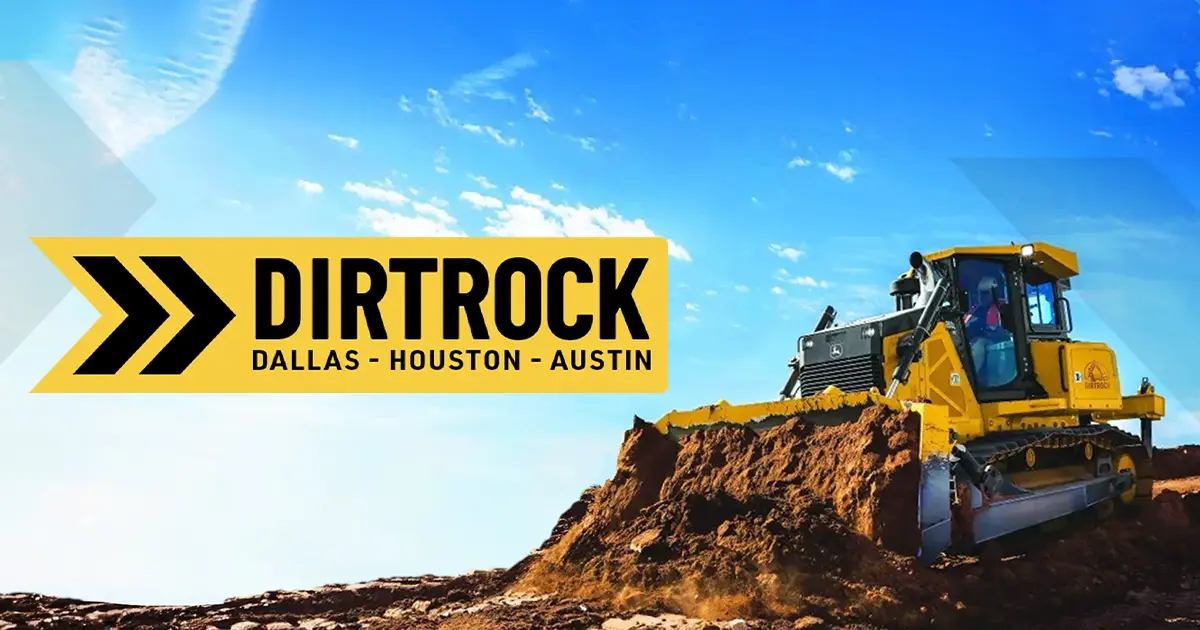
Excavation, the process of digging and moving earth materials, has evolved significantly over centuries, from manual labor to sophisticated machinery. As technology continues to advance, so do innovations in excavation equipment and techniques. This blog explores the exciting developments in excavation, highlighting how these innovations are shaping the future of digging and earthmoving.
Technological Advancements in Excavation Equipment
Autonomous Excavators
Technology: Autonomous excavators equipped with sensors and artificial intelligence (AI) are being developed to operate without human intervention.
Benefits: Improved safety, increased efficiency in repetitive tasks, and precise operation in hazardous or remote environments.
Electric and Hybrid Excavators
Technology: Electric-powered excavators reduce emissions and noise pollution compared to diesel-powered counterparts. Hybrid models combine electric and diesel power for enhanced efficiency.
Benefits: Lower operating costs, reduced environmental impact, and compliance with stricter emission regulations.
Advanced Telematics and GPS
Technology: Excavators equipped with telematics systems and GPS allow real-time monitoring of machine performance, location tracking, and predictive maintenance.
Benefits: Optimal fleet management, improved productivity through optimized routes and job planning, and proactive maintenance to prevent breakdowns.
3D Printing in Excavation
Technology: 3D printing is being explored for creating specialized excavation tools and components on-site, reducing lead times and costs associated with traditional manufacturing.
Benefits: Customization of equipment parts, rapid prototyping for innovation, and potential cost savings in maintenance and replacement parts.
Innovations in Excavation Techniques
Non-Destructive Digging (NDD)
Technique: Utilizing hydro and vacuum excavation methods to safely expose underground utilities and structures without damaging them.
Benefits: Minimizes risks of utility strikes, reduces project delays, and enhances worker safety.
Laser and LiDAR Technology
Technique: Laser scanning and LiDAR (Light Detection and Ranging) technologies provide accurate 3D mapping of excavation sites, enabling precise planning and excavation.
Benefits: Improved site surveying, reduced excavation errors, and enhanced project visualization and communication.
Robotics and Remote Control
Technique: Robotic excavators and remotely controlled machines allow operators to work from a safe distance or control multiple machines simultaneously.
Benefits: Enhanced safety in hazardous environments, increased productivity through continuous operation, and accessibility in hard-to-reach areas.
Environmental and Economic Impacts
Reduced Environmental Footprint
Innovations like electric-powered equipment and efficient excavation techniques contribute to lower emissions, reduced fuel consumption, and minimized disturbance to natural habitats.
Cost Efficiency
Improved technology leads to higher efficiency, reduced downtime, and lower operating costs over the lifecycle of excavation equipment.
Challenges and Opportunities
While excavation innovations promise significant advancements, they also come with challenges and opportunities for the industry:
Training and Adaptation
As technology evolves, operators and construction professionals will need continuous training to operate advanced machinery and leverage new excavation techniques effectively.
Opportunities: Training programs and certifications can empower workers with skills aligned with industry advancements, enhancing career prospects and job satisfaction.
Integration with Digital Construction
Excavation innovations are increasingly integrated with Building Information Modeling (BIM) and digital construction platforms.
Opportunities: Seamless integration allows for more accurate project planning, improved collaboration between stakeholders, and enhanced project outcomes.
Regulatory and Safety Considerations
Innovations like autonomous excavators and robotic technologies raise regulatory and safety concerns regarding operation, maintenance, and compliance with industry standards.
Opportunities: Collaborative efforts between regulators, manufacturers, and industry stakeholders can establish guidelines and standards that ensure safe deployment and operation of advanced excavation equipment.
Environmental Sustainability
Green Technologies
Continued development of electric and hybrid excavators reduces carbon footprints and noise pollution on job sites.
Opportunities: Investment in renewable energy sources for powering equipment can further enhance sustainability efforts, contributing to a cleaner environment.
Waste Reduction and Recycling
Innovations in material sorting and recycling technologies during demolition and excavation processes minimize waste sent to landfills.
Opportunities: Promoting circular economy principles through efficient material reuse and recycling can reduce project costs and environmental impact.
Conclusion
Excavation innovations are transforming the construction and mining industries, offering unprecedented opportunities to enhance efficiency, safety, and sustainability. Embracing these advancements requires collaboration among industry leaders, technology developers, and regulatory bodies to navigate challenges and maximize benefits.
As we look ahead, the future of excavation holds promise for smarter, greener, and more efficient practices. By staying informed about emerging technologies and adopting sustainable excavation techniques, we can build a more resilient and environmentally responsible infrastructure for future generations. Whether you’re a contractor, engineer, or environmental advocate, understanding and embracing these innovations will be key to shaping a sustainable future in excavation and earthmoving.
DirtRock Dallas stays at the forefront of excavation technology in the Dallas-Fort Worth market. Our fleet includes GPS-guided equipment and commercial-grade machinery for residential and commercial projects. From precision grading to large-scale site preparation, we bring the latest capabilities to every job. Get a free excavation estimate.